Twisted Preservation embarked on a profound and challenging journey through the haunting landscape of the Southampton Slave Insurrection, an event so raw and contentious that even its name remains a point of debate. Some refer to it as the Nat Turner Rebellion, while others argue for terms like “uprising” or “revolt” to better capture its nature and significance. Guided by Bruce Turner, the great-great-great grandson of Nat Turner himself, a small group of public historians and scholars confronted the complex legacy of this pivotal moment in American history. The controversy surrounding the event’s designation underscores the ongoing struggle to interpret and come to terms with this difficult chapter of the past.

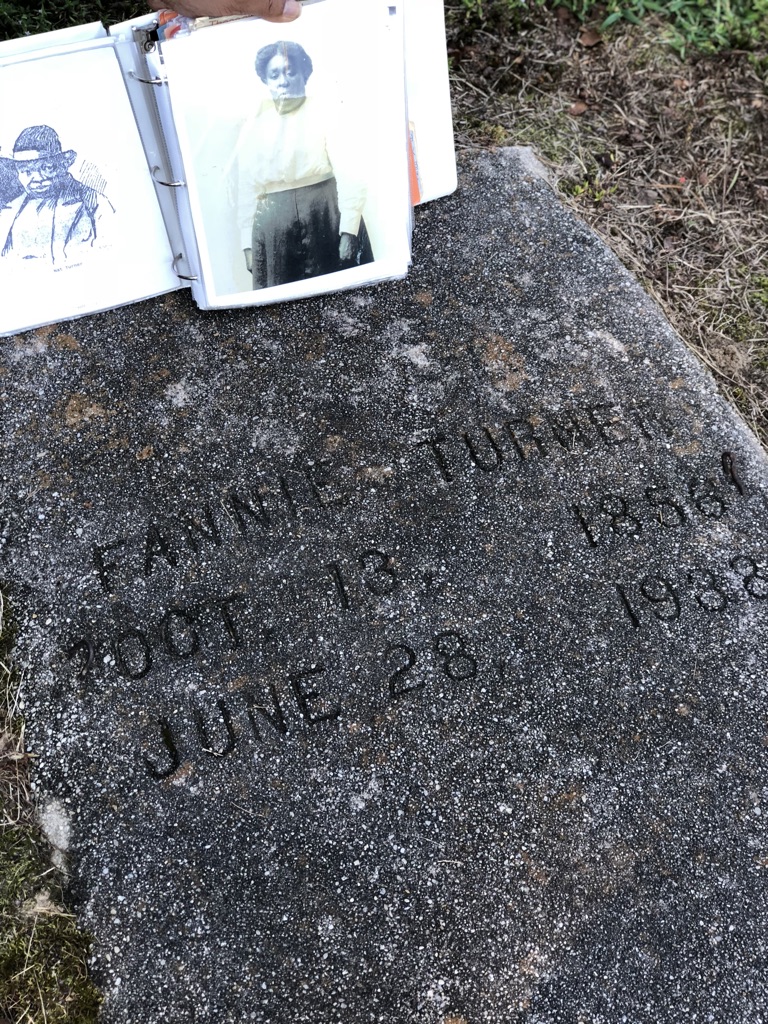
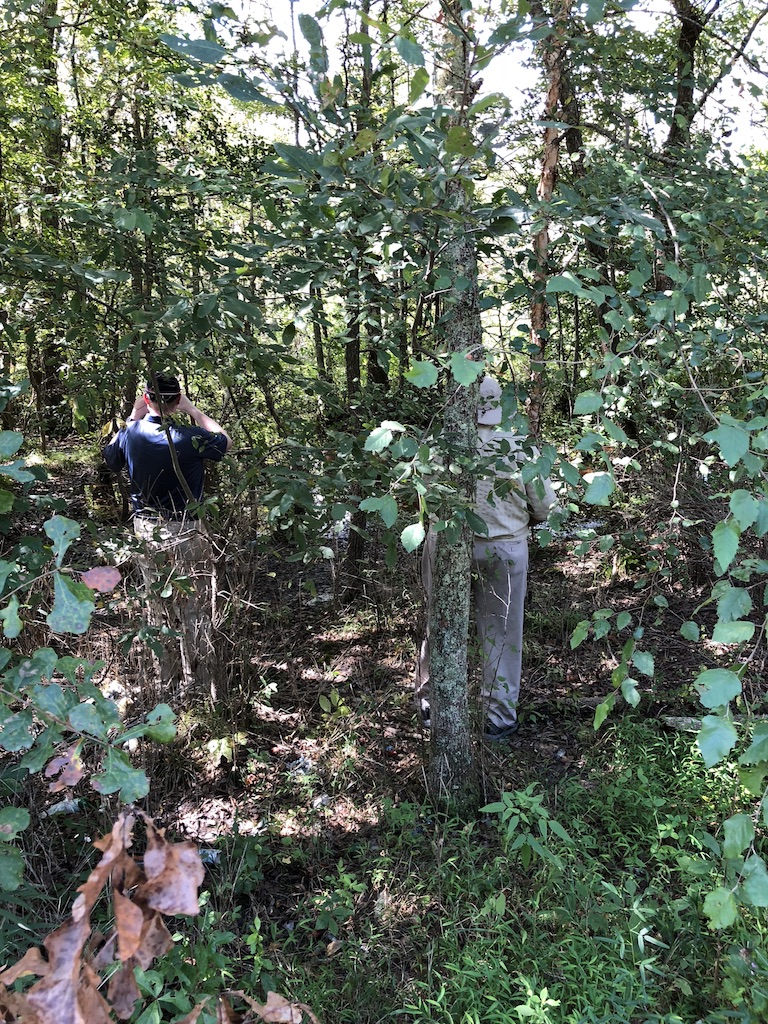
The day began solemnly in a local cemetery, where the weight of the past hung heavy in the air. As we traversed dirt roads cutting through the rural countryside and ventured into dense wooded areas, each step brought us closer to the raw, unvarnished truth of the rebellion.
Throughout our journey, we encountered a series of abandoned and decaying dwellings scattered across the rural landscape. Each of these dilapidated structures stood as a silent testament to the violent events of the rebellion. As we approached each site, Bruce Turner would recount the grim details of the murders that had occurred there during the insurrection.
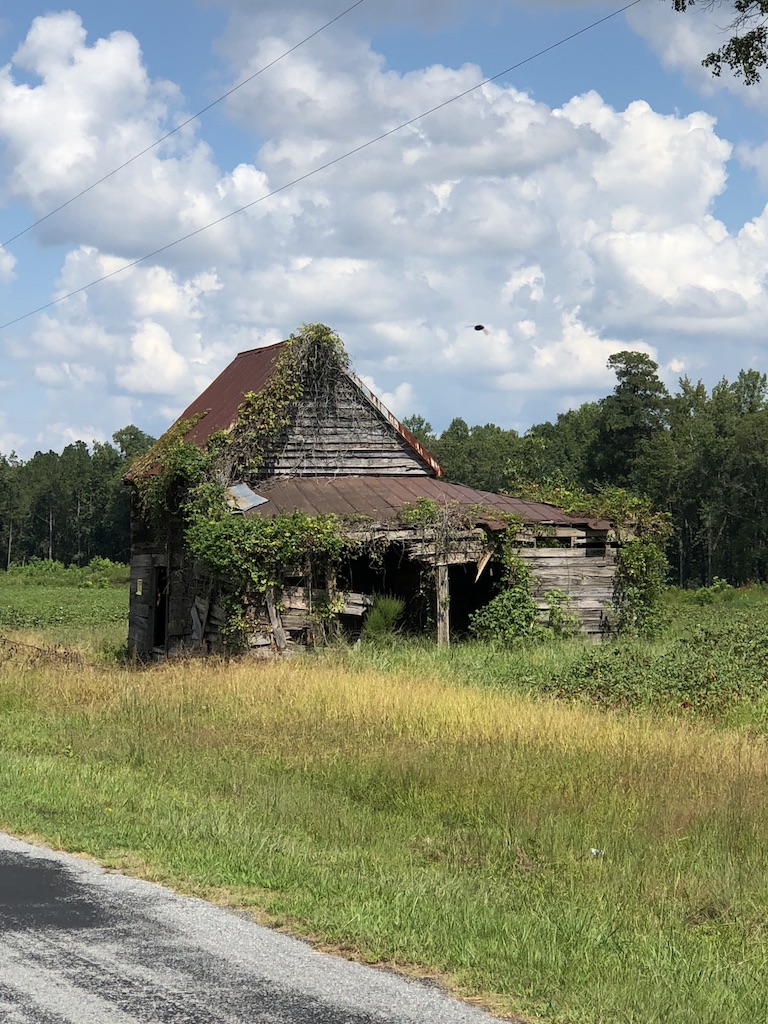

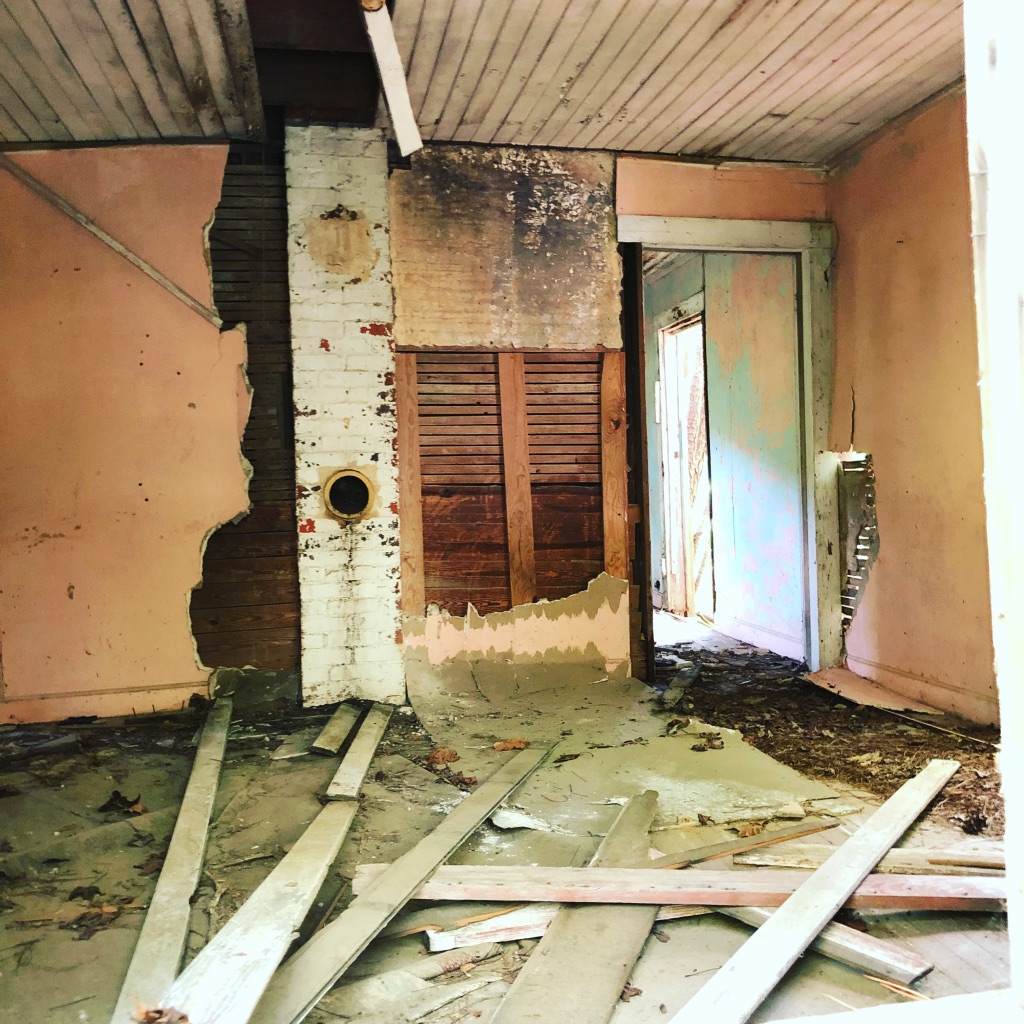

One after another, we stood before weathered farmhouses, collapsing cabins, and crumbling outbuildings. Their sagging roofs, broken windows, and rotting timbers seemed to echo the weight of their tragic histories. In each location, we learned of families who had fallen victim to Turner’s band of insurrectionists – parents, children, and in some cases, entire households (55 people in total were killed during the revolt), whose lives were abruptly ended during those fateful days in August 1831. Following the end of the revolt, an estimated 55 black enslaved were tried and killed as conspirators, with well over 200 black people murdered as a result of the white hysteria.
The state of these buildings, slowly being reclaimed by nature, added a poignant dimension to our understanding of the rebellion. As we moved from site to site, the cumulative impact of seeing multiple locations where such violence had occurred was profoundly affecting. It drove home the scale and intensity of the uprising in a way that no textbook or lecture could convey.


These abandoned dwellings, once homes and now reluctant monuments to a troubled past, forced us to confront not only the historical events themselves but also the complex legacy of how this history has been remembered – or forgotten – in the intervening years.
The sole official acknowledgment of this history was a historic marker, its metal face marred by shotgun blasts – a visceral reminder that this narrative remains deeply contentious. The defaced sign spoke volumes about the resistance some locals harbored towards memorializing this chapter of their past.
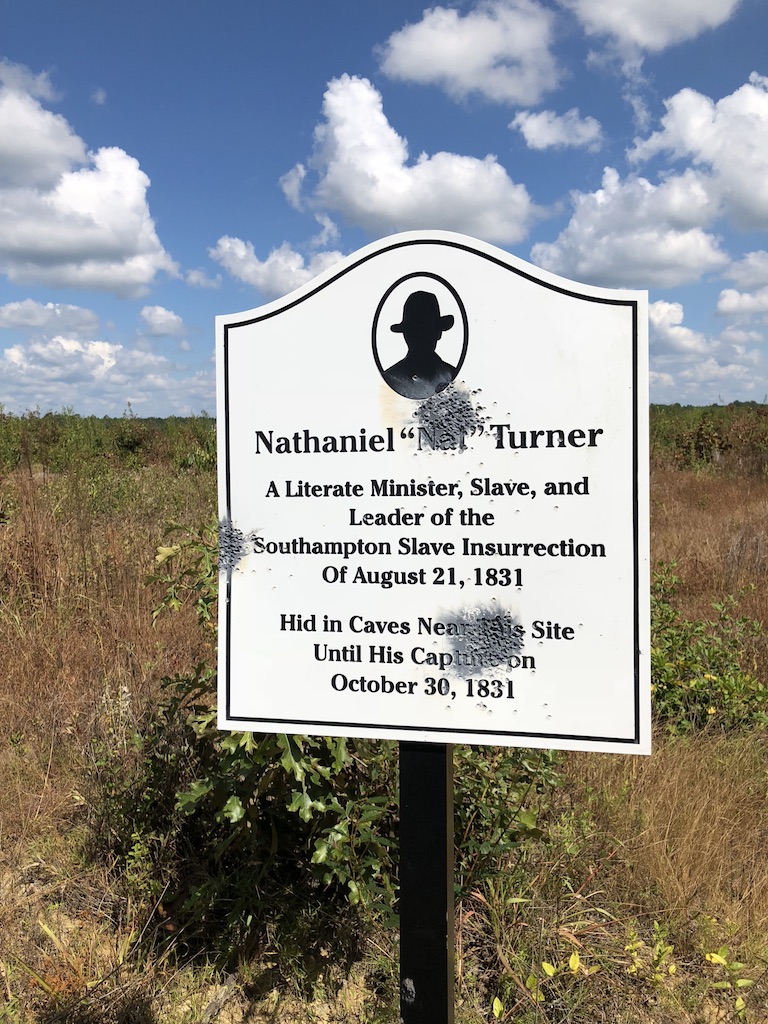

As we reflected on the day’s experiences, the inherent biases in preservation efforts became glaringly apparent. This consulting visit, while immensely valuable in its unflinching examination of a difficult history, also underscored the challenges of confronting and commemorating such a complex and painful legacy. It left us with profound questions about how we choose to remember, what we preserve, and the ongoing struggle to reconcile with the darker aspects of our shared history.
 Twisted Preservation