Attending Pratt’s conference on “Preservation in a Time of Precarity: Intersecting Indigenous Intelligence and Artificial Intelligence” laid bare the profound complexities of AI as both a preserver and a transformer of cultural heritage. The day’s discussions examined how our relationship with AI technology mirrors many of humanity’s historical patterns – it can either amplify our capacity for cultural preservation or accelerate destruction.
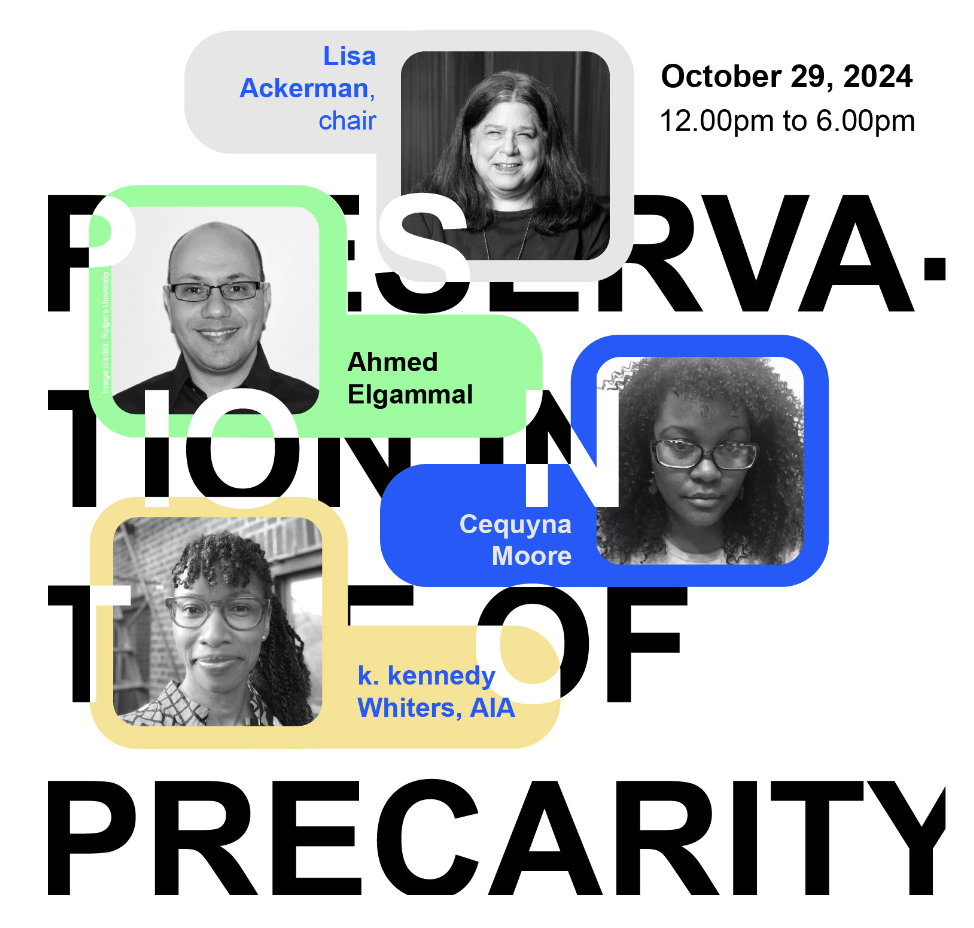
A central paradox emerged throughout the day: AI offers unprecedented capabilities for cultural preservation while potentially compromising the very essence of what it seeks to preserve. This was particularly evident in discussions about language resurrection, where speakers highlighted the tension between AI’s public, database-driven approach and the intentionally private nature of many indigenous languages. Often held as intimate cultural treasures, these languages raise critical questions about harnessing AI’s preservation capabilities while respecting cultural boundaries and privacy.
The art world’s relationship with AI sparked particularly nuanced discussions around authenticity. Much like historical debates about forgery and reproduction, AI forces us to confront questions about originality, authenticity, and value. Similarly, the presentations on using AI to document and analyze historical monuments demonstrated how technology can help us better understand our past – including which monuments deserve preservation and which perhaps should be reconsidered.
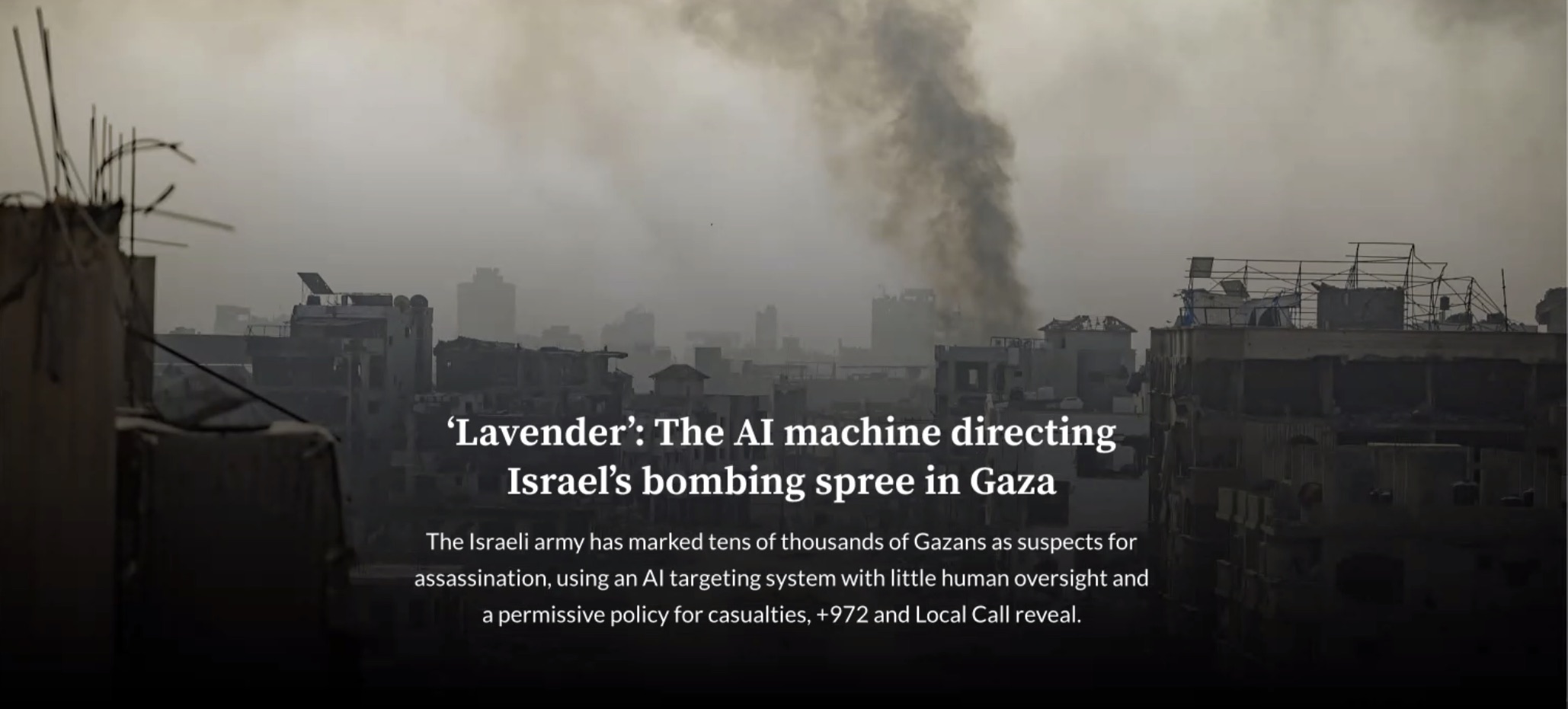
The conference starkly illustrated AI’s dual nature through contrasting applications. While AI tools are being deployed to document and protect silent languages and cultural heritage, the sobering keynote presentation detailed AI’s role in modern warfare, specifically its application in Gaza. The speaker methodically outlined how Israel uses AI systems to analyze geographic patterns and movement to determine invading strategies, raising urgent questions about technology’s role in conflict zones.
A crucial insight emerged regarding AI’s limitations: it doesn’t truly create but rather synthesizes existing patterns. As speakers emphasized, AI will inevitably reproduce these biases if the precedent texts contain colonial perspectives or biased historical accounts. This is particularly problematic when dealing with marginalized histories and perspectives, as AI can inadvertently perpetuate harmful narratives rather than challenge them.
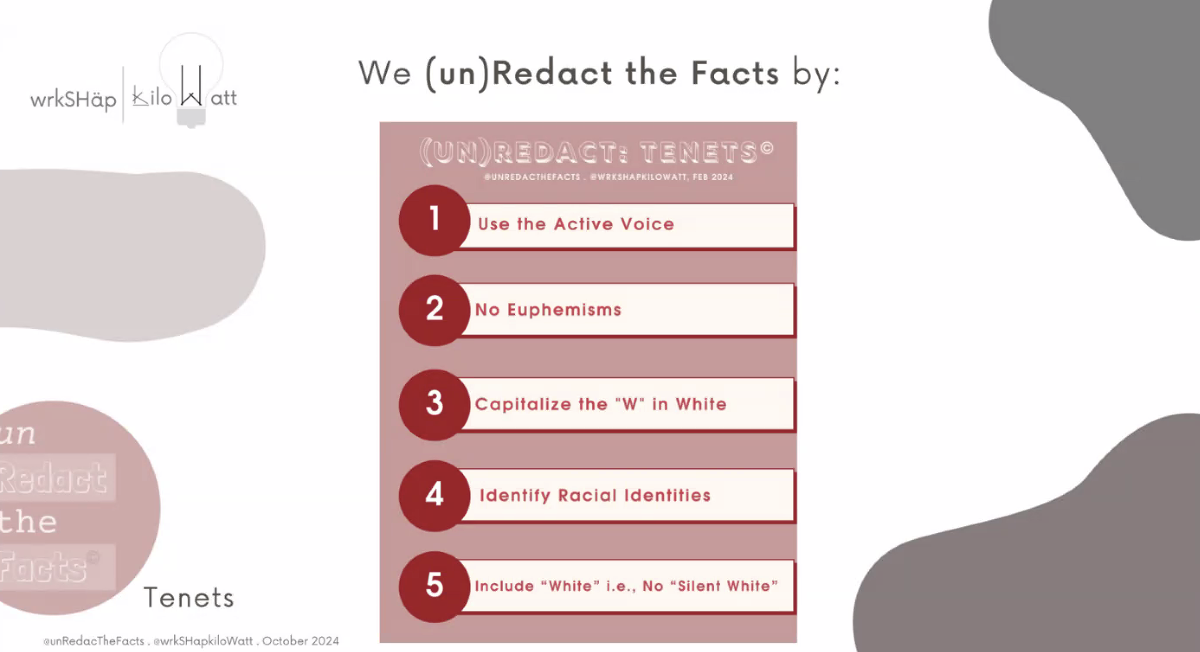
k. kennedy Whiters AIA, (un)Redact the Facts and Black in Historic Preservation.
We must consider multiple challenges:
- How do we preserve cultural heritage while respecting its private, intimate nature?
- Can we develop AI systems that honor cultural boundaries while serving preservation goals?
- How do we address the biases inherent in AI’s training data?
- What aspects of cultural heritage should remain private and be passed down through traditional channels rather than digital preservation?
What emerged most clearly was that AI is a mirror reflecting our existing knowledge systems (biases included) and a transformer of cultural knowledge. Unlike human creativity, which can imagine new possibilities, AI is bound by its training data – it cannot envision what has never been documented. This underscores the importance of carefully considering what texts and sources we use to train AI systems, especially when working with marginalized histories and perspectives.
The day served as a potent reminder that our technological choices have genuine human consequences in this time of precarity. How we choose to wield these tools will help determine whether they serve to protect or imperil our shared cultural heritage. The challenge ahead lies in how we use AI, how we train it, and what precedents we choose to preserve and amplify through these powerful but ultimately derivative tools. Most importantly, we must develop more nuanced approaches to cultural preservation that balance the competing needs of documentation, accessibility, and cultural privacy.
Speakers included:
Lisa Ackerman, Columbus Citizens Foundation
Dr. Ahmed Elgammal, Art and Artificial Intelligence Laboratory, Rutgers University
Nalikutaar, Jacqueline Cleveland, Alaska Venture Fund
Dr. Harriet Harriss, Pratt School of Architecture
Jeffrey Hogrefe, Pratt School of Liberal Arts & Sciences
Alex Jimmerson, Seneca Nation of Indians
Dr. Robbie Jimmerson, Seneca Nation of Indians and Rochester Institute of Technology
Cequyna Moore, Monuments Toolkit Initiative of World Heritage U.S.A.
Dr. Chuutsqa L. Rorick, Gesturing Towards Decolonial Futures Collective and University of Victoria
Dr. Helio Takai, National Science Foundation and Pratt School of Liberal Arts and Sciences
Vicki Weiner, Pratt School of Architecture
Dr. Lorna Williams, Gesturing Towards Decolonial Futures Collective
K. Kennedy Whiters AIA, (un)Redact the Facts and Black in Historic Preservation.
Keynote and Closing Plenary: Nour Abuzaid and Eyal Weizman, Forensic Architecture
 Twisted Preservation