-
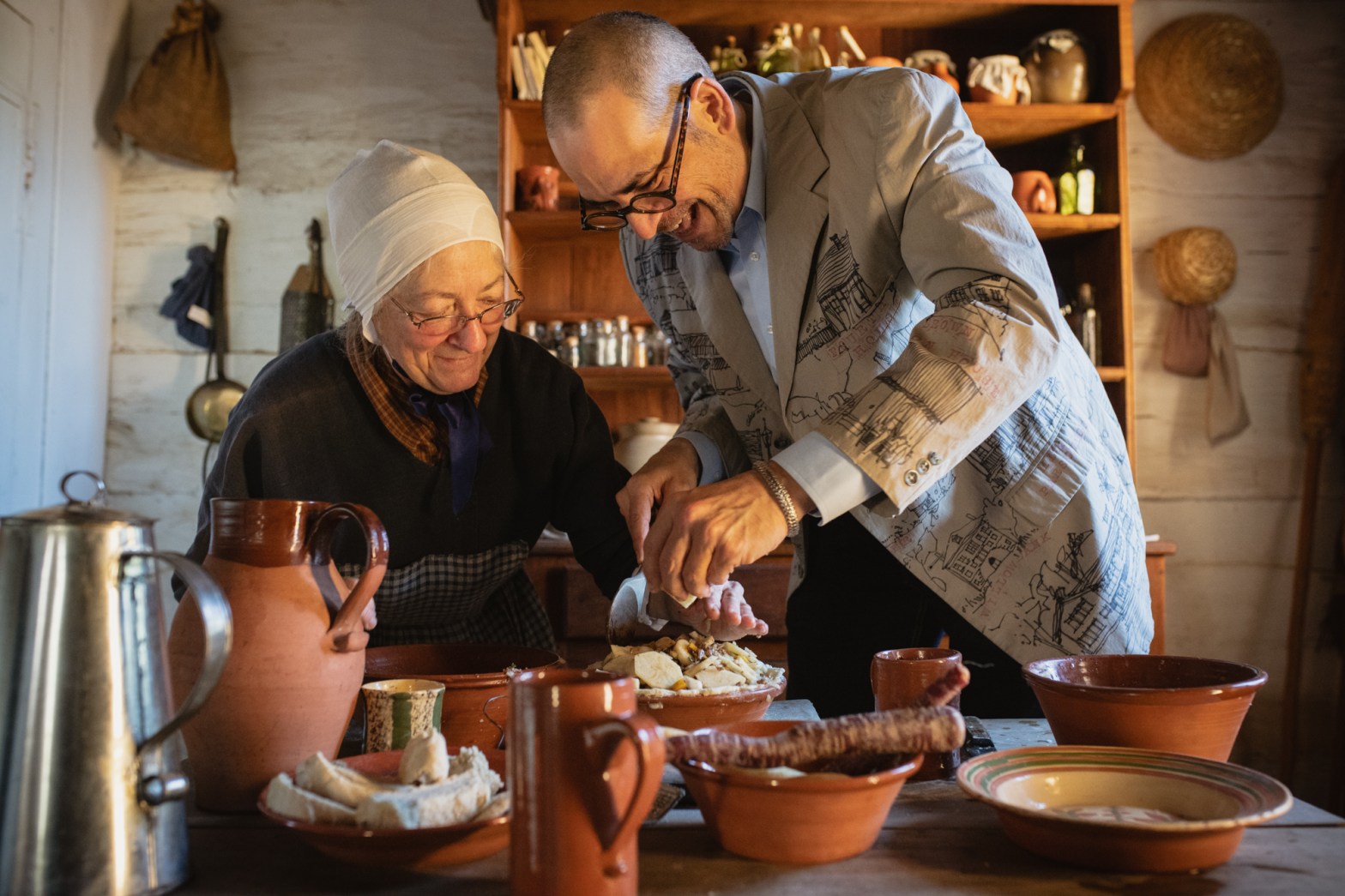
The Power of Active Engagement
The traditional model of living historical education often relies heavily on passive observation – visitors read panels, view artifacts behind glass, or listen to reenactors perform a task. However, a different approach is emerging, transforming these passive experiences into dynamic, hands-on learning opportunities that engage multiple senses and create deeper connections to historical narratives while… Read more
-
Seeing the Caregiver: Museums and Caretaker Anxiety
Recent research demonstrates museums’ positive impact on visitor wellbeing through programs like “Meet Me at MoMA” and the UK’s House of Memories. However, these studies focus almost exclusively on participants with disabilities or conditions, not their caregivers. While sensory mornings and accessibility programs help those receiving care, they can paradoxically increase caregiver stress. Each “special… Read more
-
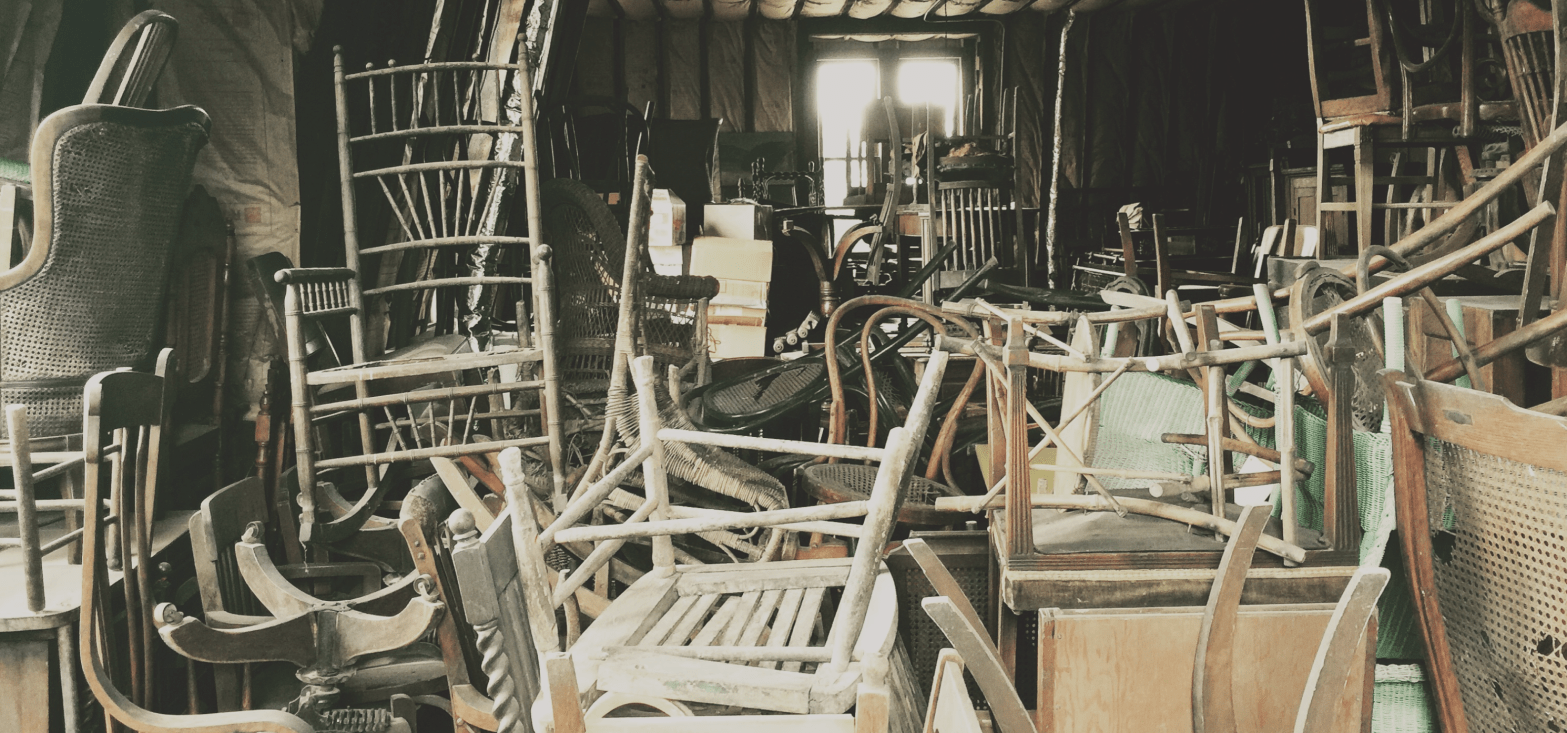
Beautiful Burdens: A Generational Shift in Collections Care
“Pretty things, so what if I like pretty things” Pretty Things, Rufus Wainwright As a museum professional and public historian with over two decades of experience in collections care and archive organization, I’ve witnessed firsthand how our relationship with cultural heritage materials evolves. My career has focused on creating unified, accessible collections from dispersed materials… Read more
-

The Afterlife of Buildings
Like undertakers preparing a body for viewing, heritage conservationists often find themselves in the curious position of preserving something that has already died. Yet this preservation is further complicated by a generational paradox: those doing the preserving are typically not those who knew the “body” when it was alive. Instead, each generation becomes the caretaker… Read more
-
Rockets and Doughnuts
The morning unfolded through spaces both intimate and shared. Jaxson raced across the playground, confident and free, before we settled on a park bench to watch the world pass by. Elderly couples ambled past, teenagers laughed in clusters, and families hurried to weekend activities – each group writing their own momentary story across the public… Read more
-

Fluid Memory
In my work as a public historian, I’ve repeatedly returned to four fundamental frameworks that have shaped my understanding of how landscapes, monuments, and cultural memory intersect: Simon Schama’s insights into landscape meaning, Robert Venturi and Denise Scott Brown’s architectural theory, John Hejduk’s architectural narratives, and contemporary approaches to monumentality. These intersections reveal new ways… Read more
-
Subscribe
Subscribed
Already have a WordPress.com account? Log in now.
 Twisted Preservation