
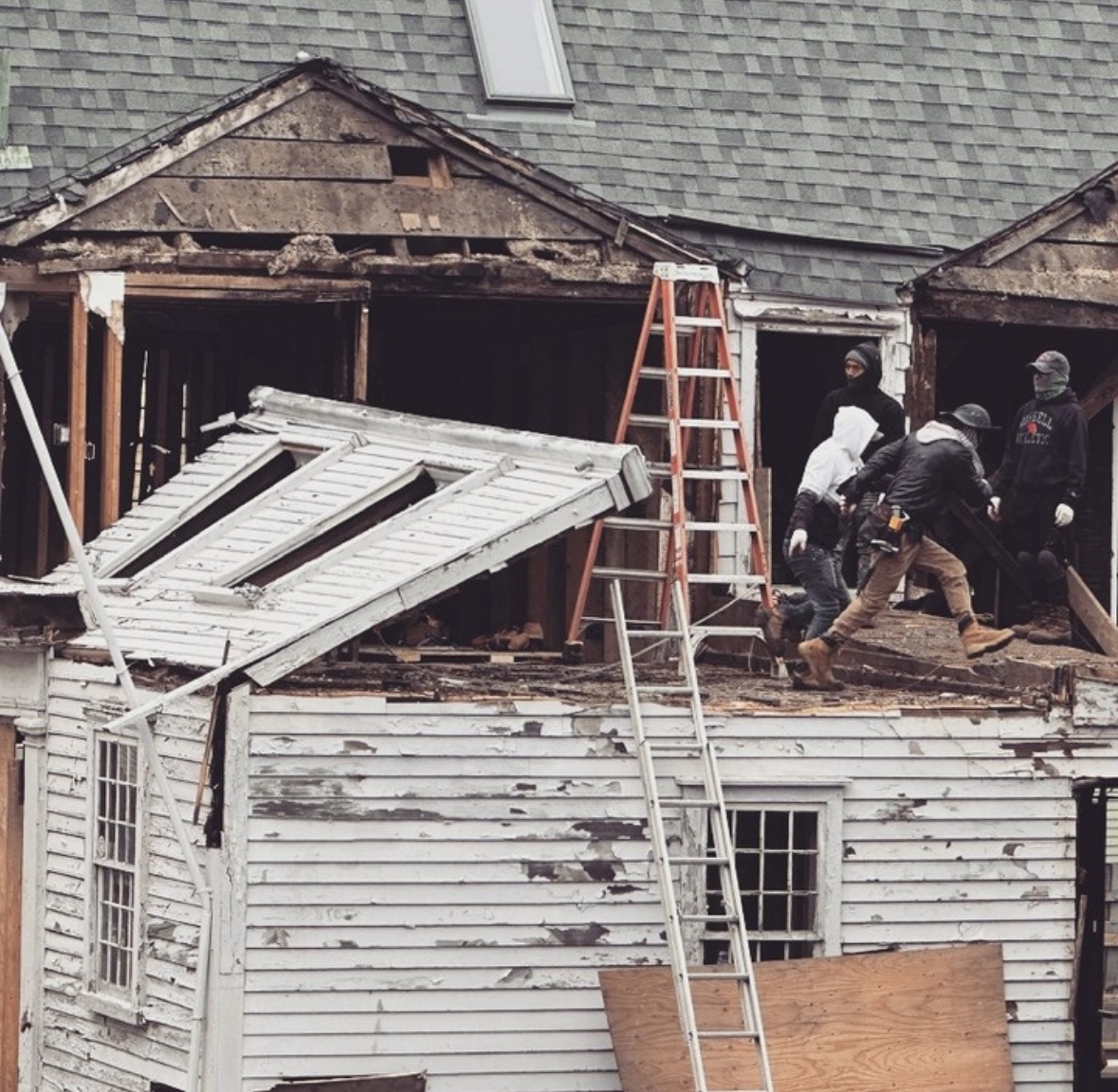
As I walk past the white clapboard building on the corner, watching workers shore up its failing foundation with temporary beams and plywood barriers, I can’t help but feel a deep unease about what will emerge when the work is done. I’ve spent years studying and working in preservation, always wrestling with this fundamental tension between saving our heritage and somehow mummifying it in the process.
That Fitzgerald quote from The Beautiful and Damned haunts me lately – this idea that we’re essentially force-feeding stimulants to these dying buildings, desperately trying to freeze them in time. When I run my hand across weathered clapboards, each layer of peeling paint tells me stories about past lives, changing tastes, economic ups and downs. Those stories disappear when we strip everything back to bare wood and start fresh.
After all these years in heritage conservation, I’ve become intimately familiar with the smoke and mirrors of our field – the careful curation, the strategic interpretation, the polished presentation we offer to the public. It’s given me a persistent sense of shame, if I’m being honest. Sometimes I feel like my work is a kind of elaborate sham. I physically cringe when visitors ask “Is this all original?” – that dreaded question that reveals how successfully we’ve sold this myth of frozen time. Of course it’s not all original. How could it be? Rot and deterioration come for every building, even the most meticulously maintained ones. It’s as natural as breathing.
Yesterday I watched them remove a section of original siding that had probably been on this building since the early 1800s. Sure, it was deteriorated, but two centuries of rain, snow, and sun had given it a patina that we can never recreate. Each piece they took down felt like erasing pages from a book we’ll never be able to read again.


I’ve been thinking a lot lately about Ise Jingu, the grand Shinto shrine in Japan that has been completely rebuilt every 20 years for over a millennium. There’s something profoundly honest about that approach – keeping the craft traditions alive while completely sidestepping our Western obsession with original fabric. The shrine’s ritual reconstruction, called shikinen sengu, has occurred over 60 times since 690 CE, each time using ancient Japanese cypress and precisely recreating every detail on an adjacent site. In those spaces, nothing is original and everything is original. The form, the craft, the spiritual essence persists while the materials cycle through their natural life and replacement. Why can’t we be that honest about our own preservation work?

Take the Powel House in Philadelphia – we interpret it primarily through the lens of just 24 years of its 255-year existence, a mere 9% of its life story. Even more striking is that over half its life – 133 years to be exact – it served as a factory and horse hair warehouse. Yet in 1932, we literally reconstructed a narrative through Fisk Kimball’s Colonial Revival interpretation, presenting a conjectural 1765 appearance as authentic truth. When someone asks what’s “original” to the Powel period, what are we really saying? The building they’re looking at is largely a 1932 interpretation of 1765, skipping over more than a century of industrial use as if those years didn’t matter. What about all those workers who knew these spaces as a factory? What about the changes, the adaptations, the lives lived during that much longer period of time? When we say “original,” what do we even mean? Original to whose vision – the 1760s residents or the 1930s preservationists? I created a conceptual art piece documenting this concept (image above) as a way of keeping heritage conservation honest.

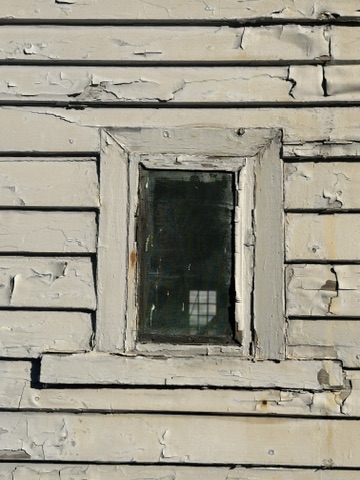
I understand why we do it – these buildings need to remain structurally sound to survive. But sometimes I wonder if we’ve become too clinical in our approach to preservation. We talk about “periods of interpretation” as if buildings are museum exhibits rather than living spaces that have evolved through time. When we’re done making everything pristine and historically accurate, have we actually preserved anything of the building’s soul?
I keep asking myself who we’re really serving when we make these old buildings look brand new. Sometimes it feels like we’re more concerned with creating perfect Instagram backgrounds than preserving real historical character. What if we thought more about preserving the evidence of time’s passage rather than trying to erase it? What if we learned to see beauty in the imperfect, the weathered, the worn?
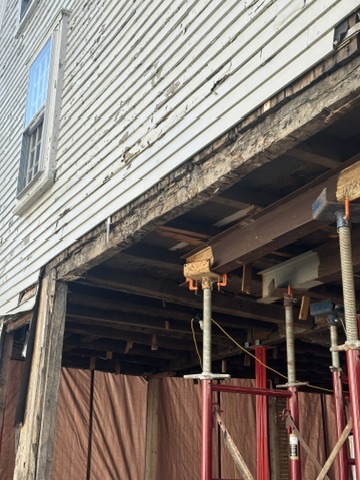
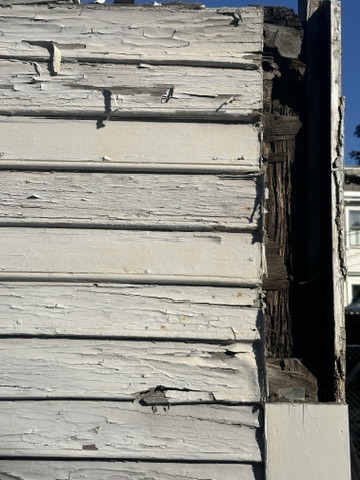

Looking at this building’s exposed skeleton right now, I know hard choices will have to be made about what to preserve and what to replace. I just hope we can find a way to save not just the structure, but also some trace of all the lives that have moved through this space over the centuries. Because once that patina of age is gone, no amount of historically accurate paint colors will bring it back.
How do we strike that balance between necessary intervention and maintaining the soul of a place? I don’t have a perfect answer, but I know it starts with asking these questions and being willing to challenge our assumptions about what “restored” should really mean.
 Twisted Preservation
thanks for your thoughts and perspective, Frank. After 34 years with the National Park Service, your thoughts and perspectives really resonate. There is a time and place for everything, BUT the concept of “period of significance” has done more harm than good. With few exceptions, we should embrace the patina and the amazing existence of the buildings and structures we work so hard to preserve. I love your work! Keep it up!!
LikeLike